Until the early 2000s, very few scientists were interested in this 320 km stretch of coastline with no road access (not even a runway!) between Nosy Be and the south of Analalava.
.
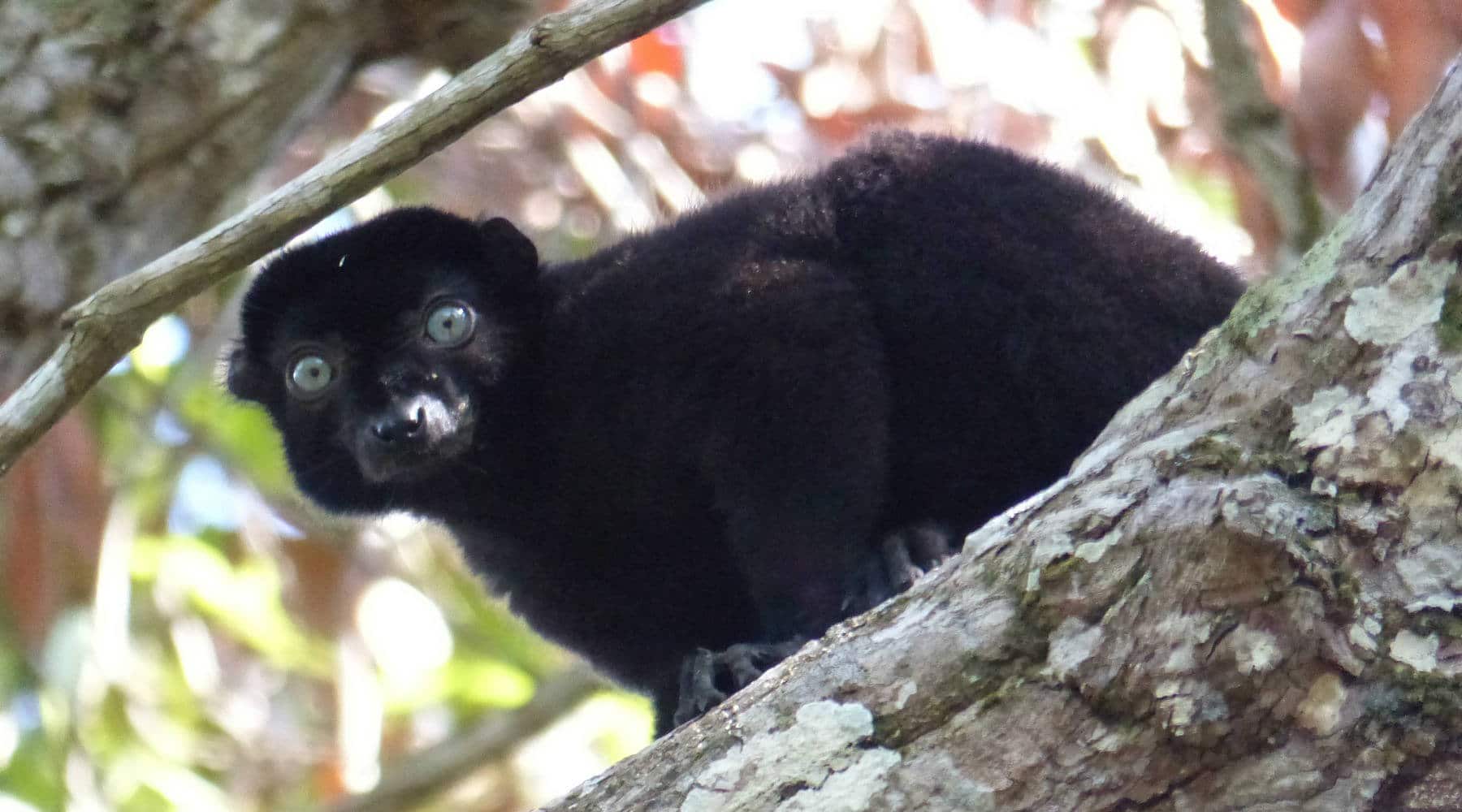
It was the almost accidental discovery of the blue-eyed lemur by a biologist lost on the Radama peninsula in 2003 that suddenly sharpened scientific interest in the region. Between 2004 and 2019, the number of marine and land-based scientific reconnaissance missions increased.
The results of these underwater surveys are impressive. The biologists found, after forays of just one hour per coral site surrounding the Radama Islands, that there were on average 80% more varieties of coral and 120% more varieties of fish than the finest reference sites in the Indian Ocean.
Between 2008 and 2013, two new varieties of nocturnal lemur were discovered in the south of the Radama archipelago, followed by new varieties of lizard and frog (2014).
The discovery in 2013 of the presence of Omura's whale in the waters off Nosy Be sent shockwaves through the scientific world. This sedentary animal, 10 to 12 metres long, had only been discovered in 2003 in the murky waters of Borneo, which are not very conducive to underwater observation, and then spotted on the coast of South Africa. This elegant and discreet cetacean, which does not hesitate to enter shallow lagoons in search of food (schools of sardines or anchovies in this case) swims quietly all year round in our clear waters.
And as observations and underwater recordings between 2013 and 2019 reveal, we're in the region of the world where there are the most varieties of cetaceans (between Nosy Hara (200 km north of Nosy Be) and Analalava (200 km south of Nosy Be)): pygmy sperm whales ( 2.50 m in adult length!...), pseudo-orcas, numerous species of dolphins, sperm whales, blue whales (only on recordings), pilot whales and, of course, whale sharks and numerous humpback whales offering us a superb spectacle every day between July and October.
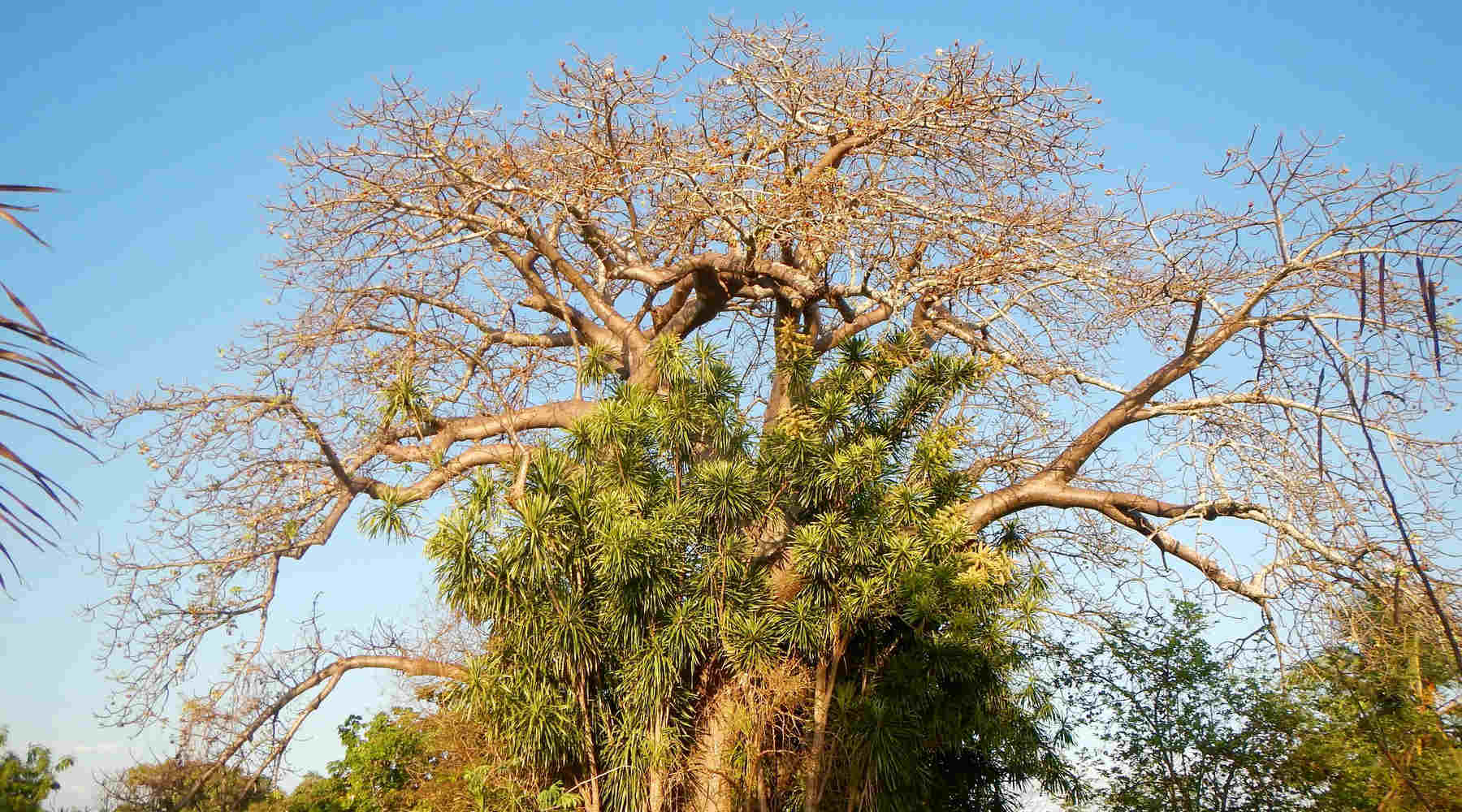
We also re-discovered a variety of mahogany that had disappeared since 1836 (when a French naturalist discovered it on the island of Nosy Be and fortunately placed it in a herbarium) and which reappeared to botanists in 2010 40 km south of Nosy Be in the form of a colossus around 200/250 years old, 1.50 m in diameter and 35 m high!
As a result, from 2012 onwards, all these discoveries activated an urgent need to preserve large swathes of land and sea in our region. Several small reserves were created in partnership with various NGOs. The Antahamalaza park in the Sud Radama region was born, but also a large part of the land coastline and many coral reefs became "protected areas" under the impetus of the Malagasy government in partnership with major international players in nature conservation.
The coast between Nosy Be and Majunga, with its very real isolation and exceptional climate, is much more than a succession of magnificent landscapes hemmed in by lagoons, mangroves and blond, white or pink beaches. Wherever we look, the ingredients of mystery and the extraordinary emerge.