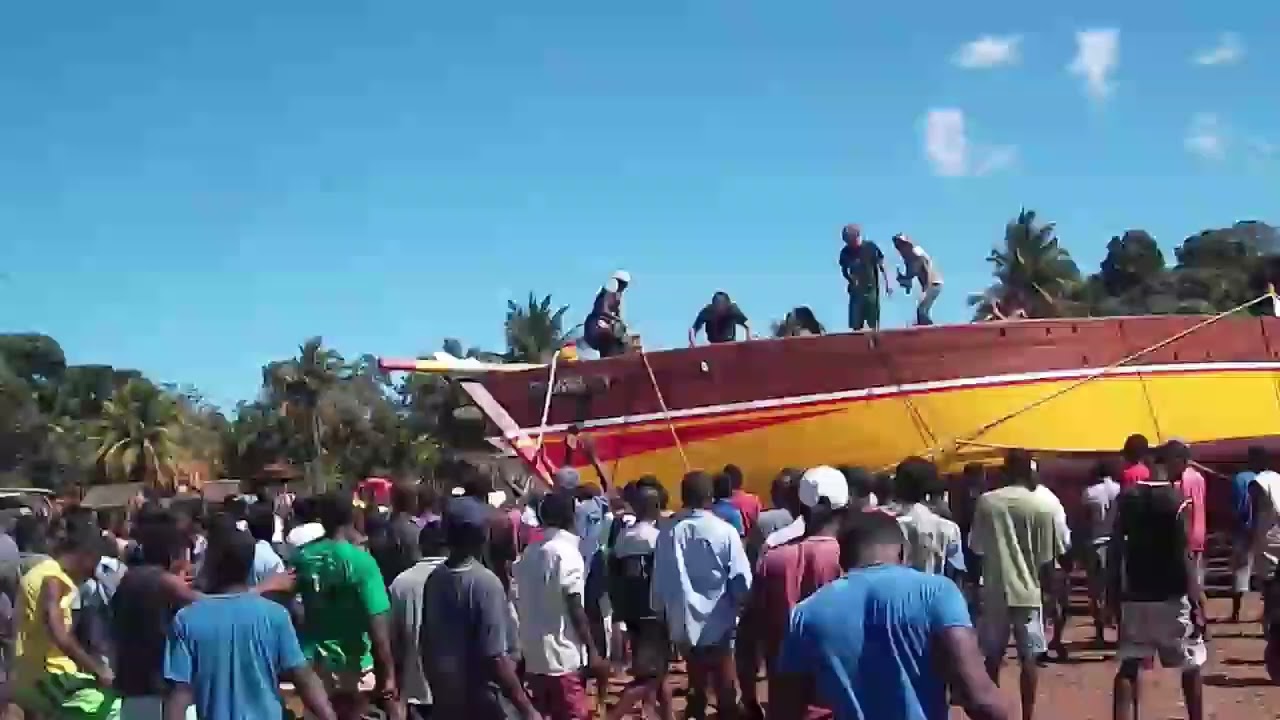
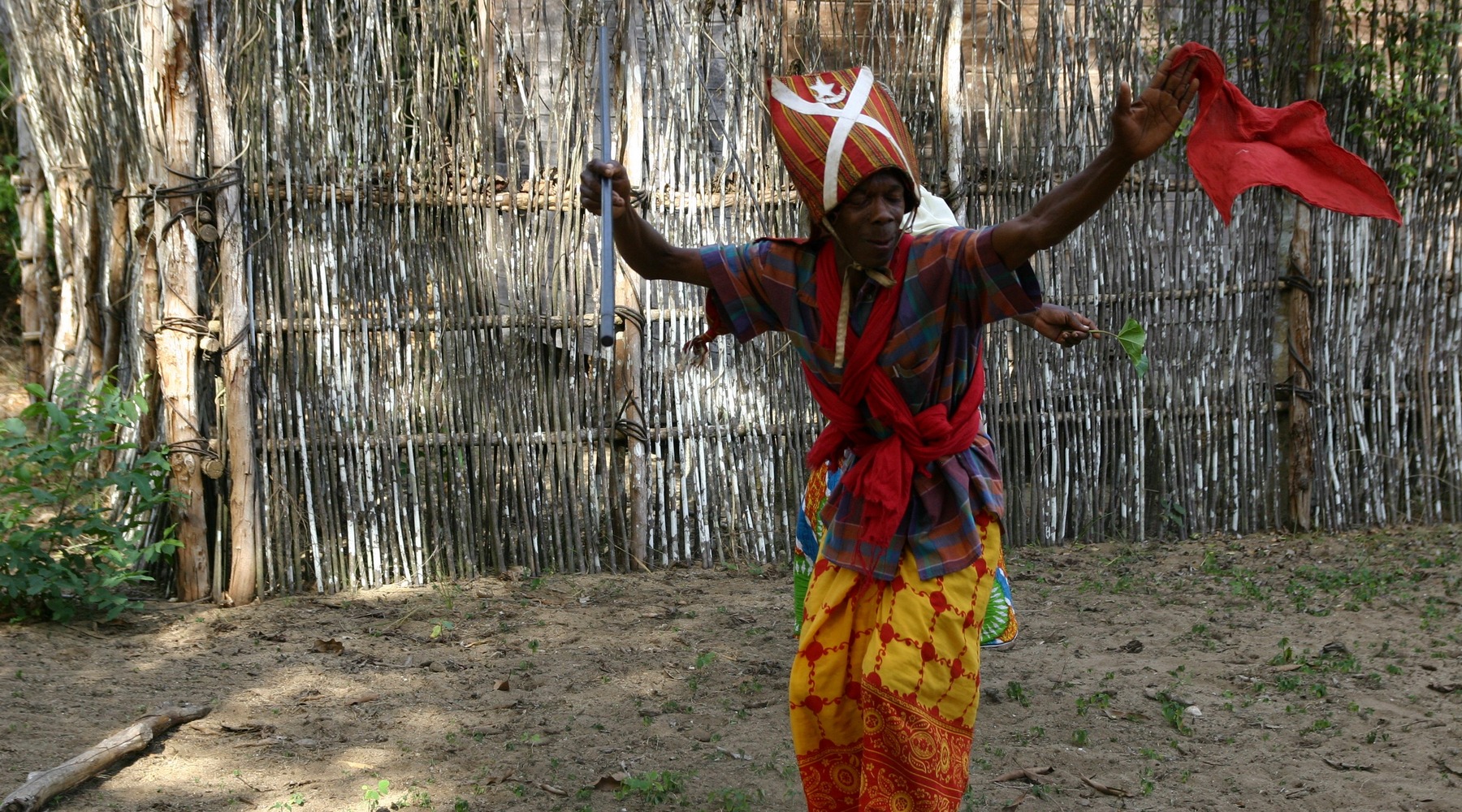
We're talking here about the Sakalava people of the north-western coastal region of Madagascar between Nosy Be and Majunga (400 km of coastline).
Physically, the Sakalavas of the North-West show a variety of morphological characteristics, highlighting several influences: Negritos (ancestors of the Indonesians who first migrated to Madagascar by pirogue some 2800 years ago), but also Swahili, Malay, Arab, Somali and even European ...... Sakalavas are medium-sized, often muscular, with smooth or frizzy hair, light or dark complexions, slim or not-so-slim noses, and fairly large eyes in a variety of colors.
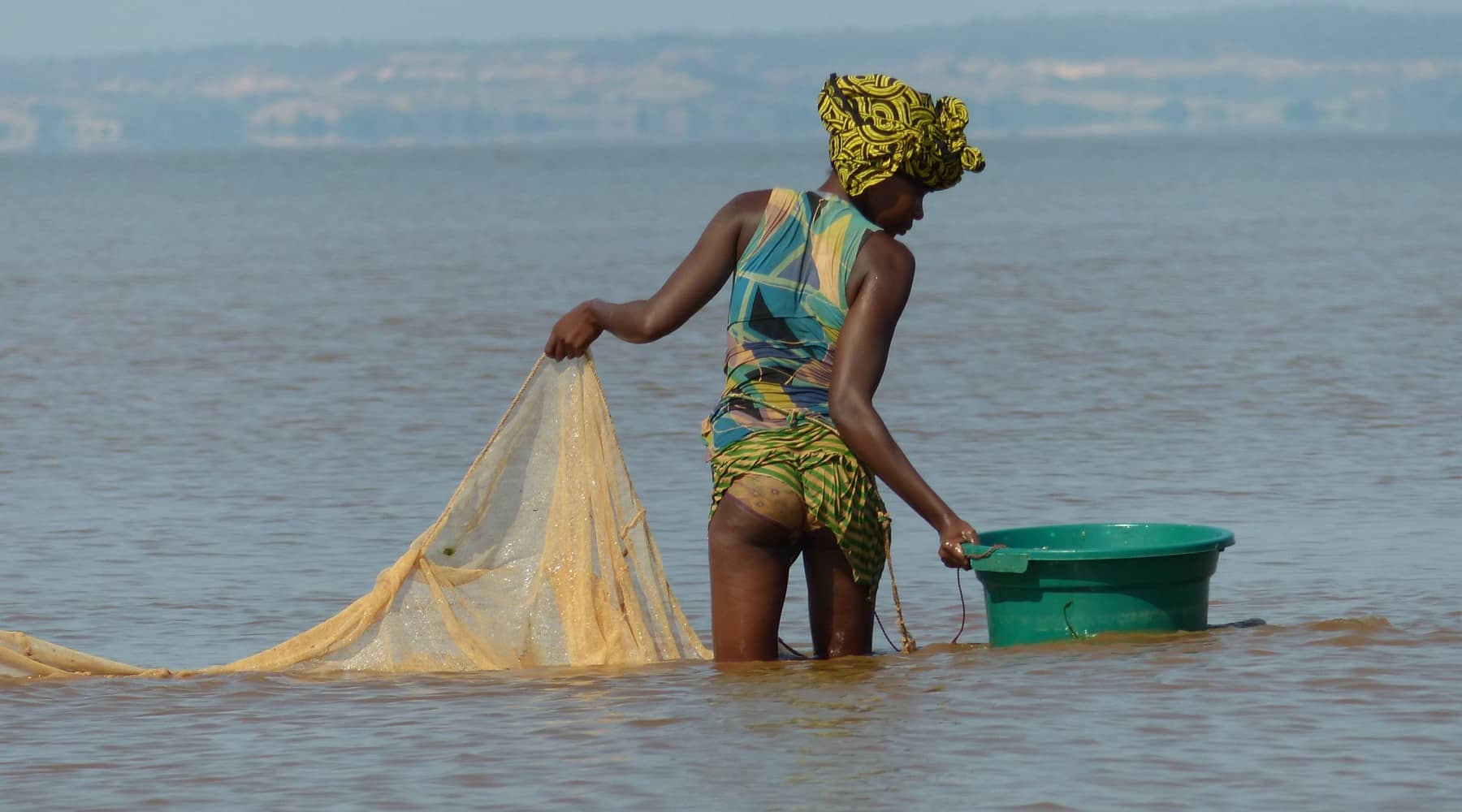
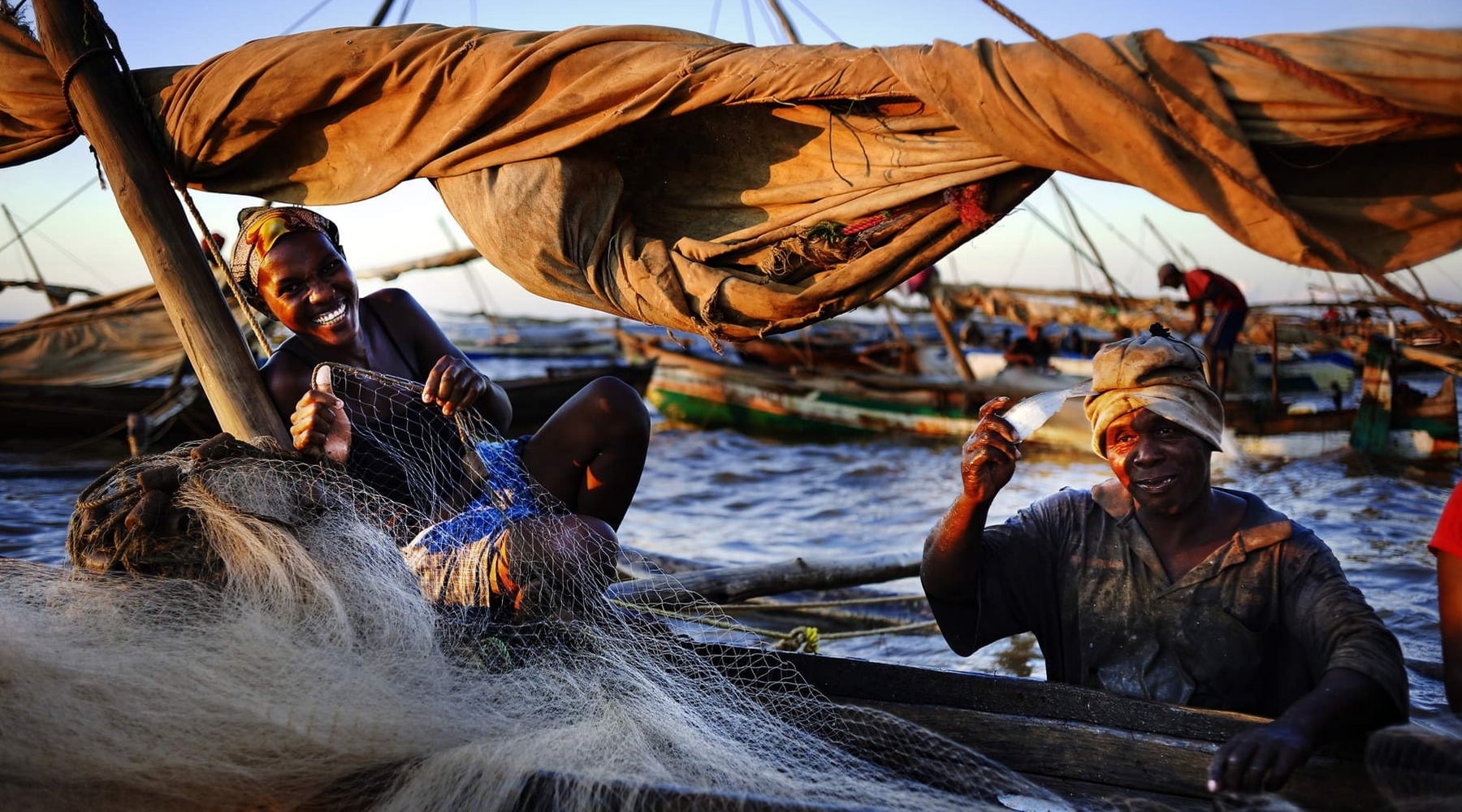
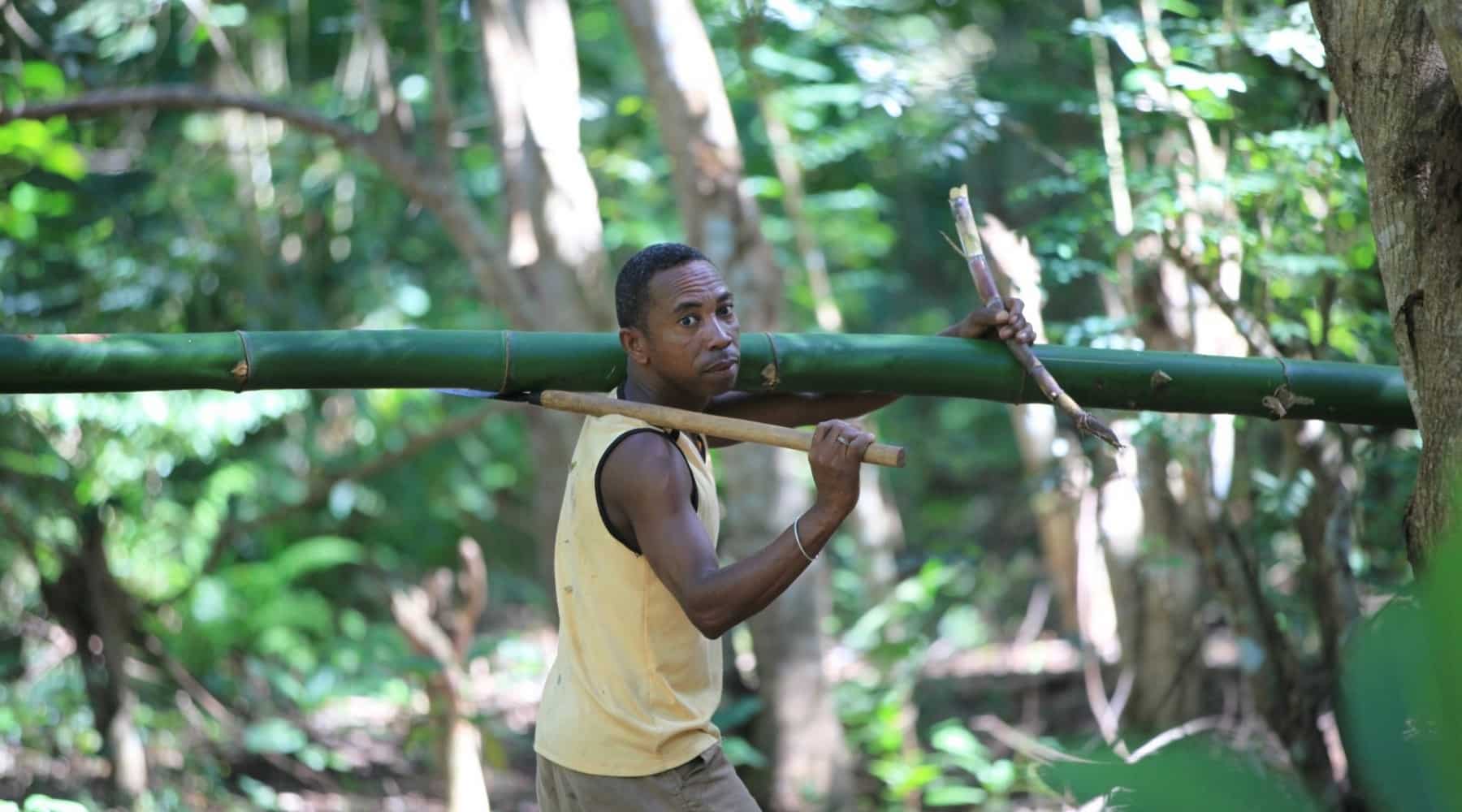
Skilled fishermen and carpenters, they know their natural environment perfectly, from which they draw many resources. They're calm, smiling, like to dance, invent proverbs, joke and mock, and are always ready to party.
Culturally, this coastal region remains extremely well preserved today, as it is, for the most part, completely cut off from road communication routes. It is still organized into small, traditional royalties measuring thirty kilometers by forty kilometers and stretching for hundreds of kilometers. This sacred "power" is part of the foundation of Madagascan and Sakalava ancestral culture in particular. It is not opposed to the authority of the government, whose administrative rules it respects.
This royal power mainly concerns relations between men and religion. Each sovereign is surrounded by a "prime minister", a "spokesman" and an "astrologer". It is these three people who determine the best days for a given ritual, and who are the real "conductors" during ceremonies. Surrounding this hierarchy are the "trombas". These are spirits of the deceased who regularly, but momentarily, take possession of a living person and express themselves through him or her. It is these "possessed" characters who, during ceremonies, are considered the sacred intermediaries who put the living in touch with Zahanary (God). On such occasions, these "spirit bearers" take on greater or lesser importance, depending on the social status their "tromba" held while still alive.
The Sakalava religion is a shamanic religion. The Sakalavas believe in a single god, the creator of all things, whom they call Zahanary. To contact Zahanary and ask for help, success or protection, there are many sacred places represented by remarkable trees or rocks. These sort of "divine telephone booths" are surrounded by various prohibitions and are the object of cults that are difficult to predict throughout the year. They are often surrounded by white or red cloth, a small wooden fence and a few relics of previous rituals (coins, small bills, rum flasks and zebu skulls...).